Maximize Your Vehicles Life-span With Routine Auto Service, Consisting Of Tire Treatment and Maintenance
Regular auto solution plays a necessary duty in optimizing a lorry's lifespan. Routine upkeep assurances peak efficiency and safety and security. Secret elements consist of timely oil changes and attentive tire treatment. Disregarding these elements can bring about considerable issues down the line. Recognizing the significance of these services is crucial for any type of car proprietor - auto repair. What specific practices can one adopt to improve their car's durability and performance? The solutions might surprise you
The Relevance of Regular Auto Solution
Routine car service personifies the principle of preventative care, making sure lorries operate successfully and safely. Regular maintenance not only improves the performance of a car yet additionally extends its life expectancy, making it a substantial element of ownership. By identifying potential concerns early, regular service reduces the threat of costly repairs and breakdowns. Furthermore, regular checks can improve fuel performance, adding to total cost savings for the owner. Security is one more important factor to consider; properly maintained cars are less prone to mishaps, shielding passengers and motorists alike. In addition, sticking to a solution timetable can support guarantee conditions, permitting proprietors to completely profit from their financial investment. To conclude, routine car solution is a vital practice that cultivates reliability and satisfaction in car possession.
Key Components of Vehicle Upkeep
Efficient lorry maintenance entails several vital elements that jointly ensure peak performance and safety and security. Routine oil modifications are essential, making sure the engine runs smoothly and efficiently. Liquid checks, including coolant and brake liquid, help prevent getting too hot and warranty trustworthy braking. Checking and changing air filters promotes ideal engine efficiency and air high quality within the automobile. Brake system maintenance is critical for security, needing routine inspections and prompt replacement of pads and blades. Battery health and wellness must also be kept track of to prevent unexpected failures. Furthermore, regular examinations of belts and hose pipes can stop break downs. Keeping lights and signals operating properly is basic for risk-free driving. Together, these parts create the structure of efficient car upkeep.
Understanding Tire Treatment and Maintenance
Tire care and upkeep are crucial for guaranteeing car safety and security and efficiency. Correct tire pressure monitoring, comprehending step depth relevance, and normal turning and alignment can considerably improve tire longevity and driving effectiveness. Resolving these facets not only advertises a smoother experience but also adds to general vehicle wellness.
Tire Pressure Surveillance
Preserving ideal tire pressure is essential for automobile security and efficiency. Correct tire inflation assurances ideal call with the road, improving grip and stability. Insufficient pressure can cause increased tire wear, lowered fuel effectiveness, and a greater threat of blowouts. Alternatively, overinflated tires can endanger handling and ride comfort. Regular tracking of tire stress is necessary, as changes can occur due to temperature adjustments or natural air loss. The majority of automobiles come furnished with a Tire Pressure Tracking System (TPMS), which signals motorists when tire pressure drops outside recommended degrees. Nevertheless, it is a good idea to conduct hands-on checks periodically, making use of a trustworthy scale. By remaining attentive with tire pressure, chauffeurs can considerably boost the life-span of their tires and total automobile safety.

Walk Deepness Significance
Just how does tread deepness impact automobile safety and security and performance? Walk deepness is vital for keeping proper grasp when driving, especially in damp or slippery problems. Insufficient walk can bring about decreased traction, boosting the threat of hydroplaning and accidents. Additionally, shallow walk deepness impacts stopping range, making it harder for motorists to quit swiftly in emergencies. The lawful minimum walk deepness in several areas is 2/32 of an inch, however professionals suggest 4/32 of an inch for peak efficiency. On a regular basis examining step deepness warranties find this that tires supply appropriate efficiency throughout their life-span. Correct step upkeep not just boosts safety and security however additionally contributes to better fuel performance, inevitably expanding the automobile's life-span and decreasing long-lasting costs.
Rotation and Alignment Tips
Regular tire maintenance expands past examining step deepness; it consists of appropriate rotation and alignment to ensure peak efficiency and safety. Tire rotation ought to usually occur every 5,000 to 7,500 miles, depending upon the car and tire kind. This technique aids promote even step wear, expanding tire lifespan and improving handling. Additionally, normal wheel positioning is important, as imbalance can result in unequal tire wear and compromised guiding. Indications of misalignment may consist of drawing to one side or a crooked wheel. Chauffeurs must have their lorry's alignment checked every year or whenever they notice these signs. By adhering to these pointers, car proprietors can enhance tire long life, enhance security, and preserve suitable performance when driving.
Indicators Your Car Demands Immediate Attention
When an automobile displays cautioning lights on the dashboard, it signals that something might be wrong and needs timely examination. In addition, uncommon noises can show underlying issues that, if left unaddressed, can lead to even more substantial issues. Identifying these signs is important for keeping automobile safety and performance.
Caution Lights Brighten
Lots of motorists may forget warning lights, their illumination typically symbolizes that an automobile requires prompt attention. If disregarded, caution lights offer as important indications of underlying issues that might lead to a lot more extreme problems. Common lights include the check engine light, oil pressure warning, and battery alert, each suggesting a certain worry that requires timely investigation. Overlooking these signals can lead to expensive repair services or hazardous circumstances when traveling. Chauffeurs must refer to their proprietor's handbook to recognize the meaning of each light and take ideal action when one illuminates (oil change service). Normal monitoring of cautioning lights is necessary for keeping vehicle wellness and making certain security while driving. Prompt interest to these alerts can significantly prolong an automobile's life expectancy
Unusual Sounds Happen
Disregarding alerting lights is not the only means chauffeurs can ignore prospective car issues; uncommon sounds can likewise indicate that instant interest is called for. A grinding noise when stopping may show worn brake pads, while a shrill squeal might suggest a belt concern. Additionally, knocking or touching noises from the engine may indicate severe mechanical problems, requiring timely evaluation. If a lorry discharges hissing or gurgling audios, it may be leaking fluids, which can cause more complications if not resolved. Drivers need to not dismiss these auditory hints, as they frequently show underlying concerns that could compromise security and efficiency. Prompt treatment can prevent costly fixings and expand the car's life expectancy substantially.
Advantages of Normal Exams
Normal check-ups play an essential role in maintaining a car's overall performance and longevity. By scheduling routine inspections, chauffeurs can determine potential issues prior to they rise into expensive repair work. These exams typically include evaluations of vital components such as brakes, liquids, and filters, ensuring that the automobile operates successfully. In addition, regular maintenance boosts safety by addressing any kind of damage that might result in hazardous scenarios on the roadway. Routine check-ups additionally add to boosted gas effectiveness, as a well-kept car runs smoother and eats less fuel. Inevitably, these preventative actions not only extend the life of the lorry however also supply satisfaction for the proprietor, understanding that their automobile is in prime problem.
Affordable Tips for Lorry Durability
To optimize car long life without breaking the financial institution, motorists can adopt a number of cost-effective methods that advertise maintenance and treatment. Regular oil adjustments, typically every 3,000 to 5,000 miles, are important for engine learn the facts here now health and wellness and power window repair can prevent costly fixings. Additionally, preserving correct tire stress and turning tires consistently can expand their lifespan, boosting fuel effectiveness. Vehicle drivers ought to likewise check liquid levels, such as coolant and brake liquid, to avoid potential problems. Basic jobs like maintaining the vehicle clean, both throughout, can secure paint and interior surfaces, lowering long-term wear. Ultimately, attending to small repairs immediately can prevent extra significant problems, eventually saving money and improving the car's general durability.
Regularly Asked Questions
How Typically Should I Modification My Automobile's Oil?

What Is the Recommended Tire Stress for My Automobile?
The advised tire pressure for a lot of lorries commonly varies between 30 to 35 psi. This value can differ based on the car design, so referring to the proprietor's handbook or the sticker label inside the chauffeur's door is suggested.
Do I Need to Revolve My Tires Frequently?
Can I Perform Maintenance Myself to Conserve Money?
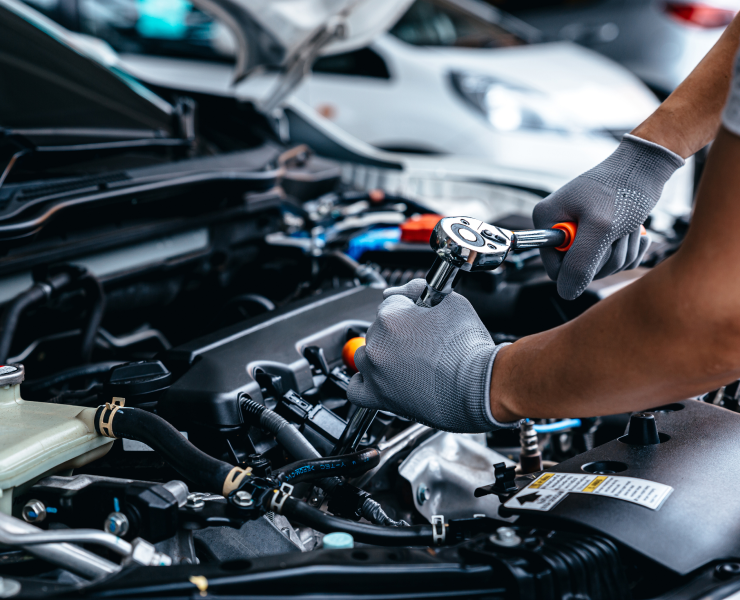
Yes, an individual can perform particular maintenance tasks themselves to conserve money. However, they must ensure they possess the necessary abilities and understanding, as improper upkeep may bring about expensive repair services or safety concerns later.
Exactly How Can Weather Impact My Car's Performance?
